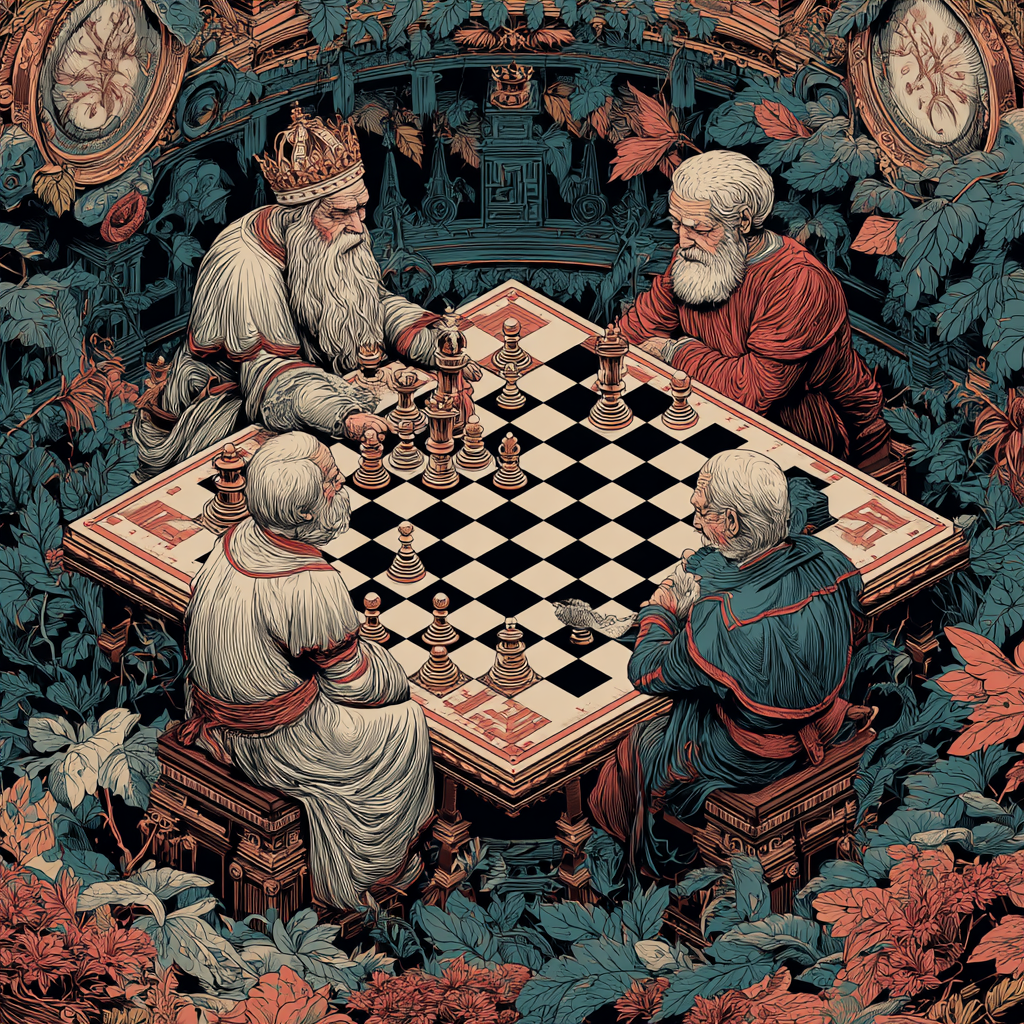
In the heat of competition, when victory hangs by a thread and time pressure mounts, chess players must maintain clarity of thought while managing intense emotions. This unique demand makes chess one of the most effective training grounds for developing emotional control and regulation. Far beyond being a mere intellectual exercise, chess serves as a laboratory for understanding, experiencing, and mastering the full spectrum of human emotions under pressure.
The ancient game creates intense emotional experiences—the euphoria of tactical discoveries, the frustration of missed opportunities, the anxiety of time pressure, and the disappointment of defeat. Yet within this emotional crucible, chess provides structured opportunities to practice emotional regulation, develop resilience, and build the psychological skills essential for success in all areas of life. Through systematic exposure to emotional challenges in a controlled environment, chess players develop emotional intelligence that serves them far beyond the sixty-four squares.
The Emotional Landscape of Chess
Chess generates a remarkable range of emotions with surprising intensity. Unlike passive entertainment or casual games, chess creates genuine emotional investment through its combination of competition, complexity, and consequence. Every move carries weight, every position presents challenges, and every game offers the possibility of triumph or defeat.
The emotional journey of a chess game mirrors many real-life situations: initial optimism and planning, growing tension as challenges emerge, moments of crisis requiring calm decision-making, and ultimate resolution that brings either satisfaction or disappointment. This emotional arc, repeated thousands of times throughout a chess player’s development, provides extensive practice in emotional navigation and regulation.
Research by sports psychologists reveals that chess players experience physiological responses comparable to those of athletes in high-stakes competitions. Heart rates elevate, stress hormones surge, and the fight-or-flight response activates—all while players must maintain logical thinking and strategic planning. This unique combination of emotional arousal with cognitive demands creates ideal conditions for developing emotional mastery.
Table 1: Common Chess Emotions and Their Psychological Benefits
| Emotion | Chess Context | Psychological Learning | Real-World Application | Regulation Strategy |
|---|---|---|---|---|
| Anxiety | Time pressure, critical positions | Managing performance anxiety | Job interviews, presentations, deadlines | Deep breathing, focus on process |
| Frustration | Missed tactics, poor positions | Patience with setbacks | Work challenges, relationship conflicts | Reframing perspective, accepting mistakes |
| Excitement | Tactical discoveries, winning positions | Controlled enthusiasm | Success celebrations, positive news | Channeling energy constructively |
| Disappointment | Losing games, missed opportunities | Resilience building | Career setbacks, personal failures | Learning from experience, future focus |
| Anger | Blunders, opponent’s strong moves | Impulse control, emotional regulation | Traffic jams, difficult people | Pause before reacting, logical thinking |
| Fear | Losing positions, strong opponents | Courage under pressure | Public speaking, risk-taking | Preparation, rational assessment |
| Pride | Good moves, rating improvements | Healthy self-confidence | Achievements, recognition | Balanced self-evaluation |
| Humility | Learning from defeats | Growth mindset development | Receiving feedback, continuous learning | Openness to improvement |
The Neuroscience of Chess and Emotional Control
Neuroimaging studies reveal how chess training literally rewires the brain for better emotional regulation. The prefrontal cortex, responsible for executive function and emotional control, strengthens through chess practice. Regular players develop enhanced connectivity between emotional centers (limbic system) and rational thinking areas (prefrontal cortex), creating better emotional regulation pathways.
Chess also trains what neuroscientists call “cognitive reappraisal”—the ability to reframe emotional situations in ways that reduce their negative impact. When a chess player transforms the frustration of a bad position into motivation for finding creative solutions, they practice the same cognitive skill that therapists teach for managing anxiety and depression.
The game’s demand for sustained attention while managing emotional responses strengthens neural networks associated with self-control and emotional regulation. fMRI studies show that experienced chess players demonstrate greater activity in brain regions associated with emotional regulation when facing stressful situations, both on and off the board.
Chess as Emotional Intelligence Training
Chess naturally develops the core components of emotional intelligence: self-awareness, self-regulation, motivation, empathy, and social skills. The game provides immediate feedback on emotional states and their impact on decision-making, creating opportunities for developing emotional insight and control.
Self-Awareness Development: Chess forces players to monitor their emotional states constantly. A player feeling anxious might rush moves, while overconfidence leads to careless blunders. This direct connection between emotions and outcomes develops acute emotional self-awareness that transfers to other life situations.
Self-Regulation Practice: The game’s rules and time constraints require players to manage their emotions regardless of internal state. Players must think clearly whether they’re ahead or behind, calm or agitated, confident or worried. This consistent practice in emotional self-regulation builds skills that apply broadly to personal and professional challenges.
Motivation Management: Chess teaches intrinsic motivation and goal persistence. Players learn to maintain effort through difficult positions, find motivation after defeats, and sustain long-term improvement goals despite temporary setbacks.
Table 2: Chess Training Methods for Specific Emotional Challenges
| Emotional Challenge | Chess Training Method | Practice Technique | Expected Timeline | Success Indicators |
|---|---|---|---|---|
| Anger Management | Blitz games with analysis | Play rapid games, analyze emotional reactions | 4-6 weeks | Fewer impulsive moves, calmer responses |
| Anxiety Reduction | Tournament simulation | Practice under time pressure with observers | 6-8 weeks | Improved performance under pressure |
| Patience Building | Endgame studies | Practice long, precise endgame positions | 8-12 weeks | Better position evaluation, fewer rushed moves |
| Confidence Building | Tactical training | Daily tactical puzzles with success tracking | 3-4 weeks | Increased willingness to attempt complex tactics |
| Frustration Tolerance | Difficult position practice | Work on objectively losing positions | 6-10 weeks | Maintained effort in poor positions |
| Impulse Control | Candidate move method | Force systematic move consideration | 4-6 weeks | Reduced blunder rate, better move quality |
| Stress Management | Simultaneous exhibitions | Play multiple games simultaneously | 8-12 weeks | Calm performance under multiple pressures |
| Resilience Building | Loss analysis practice | Detailed analysis of lost games | Ongoing | Faster recovery from defeats, learning focus |
Practical Emotional Regulation Techniques from Chess
Chess has developed sophisticated techniques for emotional regulation that apply directly to everyday life challenges. These methods, refined through centuries of competitive play, offer practical tools for managing emotions in any high-pressure situation.
The Pause and Breathe Technique: In tournament chess, players often pause before making critical moves, taking deep breaths to center themselves. This simple technique, practiced thousands of times during chess games, becomes an automatic response to emotional stress in other situations.
Objective Position Evaluation: Chess players learn to assess positions objectively, setting aside wishful thinking and emotional bias. This skill translates to evaluating life situations more clearly, making decisions based on facts rather than emotions.
The “What Would a Computer Do?” Approach: Many players calm themselves by imagining how a computer would handle the position—purely logically, without emotional interference. This mental technique helps separate emotional reactions from logical decision-making.
Time Management Under Pressure: Chess time controls teach players to allocate emotional energy efficiently, staying calm during routine decisions while focusing intensity on critical moments. This skill helps manage emotional resources throughout demanding days.
Building Emotional Resilience Through Chess
Chess provides systematic training in emotional resilience through its natural cycle of wins, losses, and learning opportunities. Every chess player experiences thousands of defeats, creating extensive practice in bouncing back from disappointment and maintaining motivation despite setbacks.
Failure Normalization: In chess, even world champions lose regularly. This normalization of failure in a structured environment helps players develop healthy relationships with setbacks and mistakes. The game teaches that failure is information rather than judgment, building resilience that transfers to all life challenges.
Progressive Desensitization: Chess naturally provides progressive exposure to increasing levels of competitive pressure. Players start with casual games and gradually work up to rated tournaments, building emotional tolerance systematically. This mirrors therapeutic approaches to anxiety treatment.
Constructive Reframing: Chess culture emphasizes learning from defeats, analyzing mistakes objectively, and finding improvement opportunities in every game. This constructive approach to setbacks develops mental habits that support emotional resilience in all areas of life.
Table 3: Emotional States During Different Chess Game Phases
| Game Phase | Common Emotions | Optimal Emotional State | Regulation Strategies | Decision-Making Impact |
|---|---|---|---|---|
| Opening | Confidence, anticipation, slight nervousness | Calm alertness | Preparation confidence, routine execution | Clear thinking, good preparation recall |
| Early Middlegame | Excitement, complexity awareness | Focused engagement | Deep breathing, position assessment | Systematic planning, pattern recognition |
| Sharp Middlegame | Intense focus, time pressure anxiety | Controlled intensity | Time management, priority focus | Tactical accuracy, calculation precision |
| Endgame | Determination, fatigue, precision pressure | Patient persistence | Energy conservation, technique focus | Methodical accuracy, stamina maintenance |
| Time Trouble | Panic, rushed feeling, desperation | Calm urgency | Breathing control, move prioritization | Intuitive decisions, blunder avoidance |
| Winning Position | Excitement, overconfidence risk | Steady concentration | Objectivity maintenance, technique focus | Precise conversion, avoiding complications |
| Losing Position | Frustration, discouragement | Resilient fighting spirit | Reframing as learning, solution seeking | Creative problem-solving, maximum effort |
| Equal Position | Patience test, strategic uncertainty | Balanced assessment | Long-term thinking, opportunity watching | Strategic understanding, patient maneuvering |
Chess and Stress Management
The structured stress environment of chess provides excellent training for managing pressure in other life contexts. Chess players learn to perform optimally while experiencing significant stress, developing skills that transfer to work presentations, academic testing, and personal challenges.
Compartmentalization Skills: Chess teaches players to separate game results from self-worth, bad moves from overall ability, and single games from long-term progress. This compartmentalization skill helps manage stress by preventing negative experiences from overwhelming overall perspective.
Pressure Inoculation: Regular tournament play provides “pressure inoculation”—systematic exposure to stress that builds tolerance and performance under pressure. Players learn that they can think clearly and perform well even while feeling stressed.
Recovery Protocols: Chess culture emphasizes recovery between games and tournaments. Players learn to decompress, analyze objectively, and prepare mentally for future challenges. These recovery skills support overall stress management and emotional health.
Developing Patience and Persistence
Chess naturally develops patience and persistence through its demand for long-term thinking and gradual improvement. The game’s complexity ensures that mastery requires years of dedicated effort, teaching valuable lessons about delayed gratification and sustained motivation.
Strategic Patience: Chess positions often require patient maneuvering and gradual improvement rather than immediate tactical solutions. This teaches emotional patience—the ability to work toward long-term goals without becoming frustrated by slow progress.
Learning Persistence: Chess improvement requires persistent effort despite plateaus, defeats, and temporary confusion. Players learn to maintain effort during difficult learning periods, developing emotional persistence that applies to any challenging endeavor.
Positional Understanding: The gradual development of positional understanding in chess mirrors the patient accumulation of expertise in any field. Players learn to value small improvements and incremental progress, building emotional tolerance for gradual development.
Table 4: Chess-Based Emotional Regulation Exercises for Daily Life
| Life Situation | Chess Technique Applied | Exercise Description | Practice Frequency | Expected Benefits |
|---|---|---|---|---|
| Work Meetings | Tournament composure | Practice staying calm during disagreements using chess breathing techniques | Daily situations | Clearer thinking, better communication |
| Traffic Stress | Time pressure management | Apply chess time allocation principles to driving patience | Each commute | Reduced road rage, safer driving |
| Family Conflicts | Objective position evaluation | Assess family situations like chess positions—objectively and strategically | As needed | Better conflict resolution, reduced emotional reactivity |
| Financial Decisions | Strategic planning from chess | Use chess long-term thinking for financial planning and investment patience | Monthly planning | Better financial decisions, reduced impulsive spending |
| Health Challenges | Endgame persistence | Apply chess endgame technique mindset to health improvement efforts | Daily habits | Sustained healthy behaviors, better medical compliance |
| Career Setbacks | Learning from defeats | Analyze career disappointments like lost chess games—for learning, not blame | After setbacks | Faster recovery, improved resilience, career growth |
| Social Anxiety | Opening preparation confidence | Prepare for social situations like chess openings—with studied confidence | Before social events | Reduced anxiety, better social performance |
| Academic Pressure | Tournament mental preparation | Use chess pre-game routines for exam and presentation preparation | Before major events | Better test performance, reduced academic anxiety |
The Social Emotional Benefits of Chess
Chess communities provide supportive environments for practicing emotional regulation in social contexts. The game’s emphasis on respect, fair play, and learning from others creates positive social-emotional learning opportunities.
Gracious Competition: Chess culture emphasizes gracious winning and losing, teaching players to manage competitive emotions constructively. The traditional handshake and “good game” after matches, regardless of outcome, reinforces emotional regulation in competitive contexts.
Mentorship Relationships: Chess communities often feature mentorship relationships where stronger players help weaker ones improve. These relationships provide models for emotional maturity and create supportive contexts for emotional development.
Diverse Community Integration: Chess brings together people of different ages, backgrounds, and personalities, requiring players to regulate emotions while interacting with diverse individuals. This social exposure builds emotional intelligence and cultural sensitivity.
Age-Specific Emotional Benefits
Chess provides age-appropriate emotional development opportunities across the lifespan, with different emotional lessons emerging at various developmental stages.
Children (Ages 6-12): Chess teaches basic emotional regulation, impulse control, and patience. Children learn to think before acting, handle disappointment constructively, and persist through challenges. The game’s rules provide structure for emotional learning.
Teenagers (Ages 13-18): Chess helps manage adolescent emotional intensity, providing outlets for competitive feelings and achievement motivation. The game builds confidence while teaching humility, crucial for healthy teenage emotional development.
Adults (Ages 19-65): Chess provides stress relief while maintaining cognitive challenge. Adults use chess for emotional regulation practice, competitive outlet, and social connection that supports overall emotional health.
Seniors (Ages 65+): Chess helps maintain emotional engagement and cognitive vitality. The game provides purpose, social connection, and intellectual challenge that support positive aging and emotional well-being.
Table 5: Long-Term Emotional Development Through Chess Practice
| Years of Practice | Emotional Skills Developed | Typical Challenges Overcome | Life Applications | Measurable Improvements |
|---|---|---|---|---|
| 0-1 Year | Basic impulse control, win/loss acceptance | Initial frustration with complexity, beginner defeats | Better patience with learning processes | Fewer impulsive reactions, improved mistake acceptance |
| 1-3 Years | Sustained attention, goal persistence | Rating plateaus, tournament nerves | Enhanced work focus, better goal achievement | Longer attention spans, improved persistence with challenges |
| 3-5 Years | Advanced emotional regulation, competitive composure | Performance pressure, complex emotional situations | Professional confidence, relationship skills | Better stress management, improved interpersonal communication |
| 5-10 Years | Emotional wisdom, strategic emotional thinking | Balancing chess with life priorities | Leadership skills, mentor capabilities | Enhanced emotional intelligence, better life balance |
| 10+ Years | Emotional mastery, teaching emotional skills | Helping others manage competitive pressure | Life coaching, emotional guidance | Wisdom in emotional management, ability to guide others |
Chess Therapy and Emotional Healing
Mental health professionals increasingly recognize chess as a therapeutic tool for emotional healing and development. Chess therapy combines the structured challenge of the game with therapeutic techniques to address various emotional and psychological challenges.
ADHD Management: Chess provides structured practice in attention control and impulse management for individuals with ADHD. The game’s immediate feedback helps develop better self-regulation skills.
Anxiety Treatment: Controlled exposure to competitive stress in chess helps individuals with anxiety disorders build confidence and coping skills. The safe environment allows practice with anxiety-provoking situations.
Depression Support: Chess provides achievement opportunities, social connection, and cognitive engagement that support depression treatment. The game offers structure and progress tracking that can help break depressive cycles.
Trauma Recovery: For individuals recovering from trauma, chess provides a safe space to experience control, make decisions, and build confidence. The predictable rules and clear cause-effect relationships can be particularly helpful.
Technology and Emotional Chess Training
Modern technology offers new opportunities for chess-based emotional training through online platforms, apps, and artificial intelligence. These tools provide accessible ways to practice emotional regulation skills through chess.
Online Tournament Platforms: Sites like Chess.com and Lichess provide rated games with players worldwide, creating opportunities to practice emotional regulation under competitive pressure with convenient access.
Training Apps: Specialized apps focus on specific emotional aspects of chess, such as time pressure training, tactical confidence building, or endgame patience development.
AI Analysis Tools: Chess engines and analysis tools help players understand the objective quality of their decisions, separate from emotional reactions. This objective feedback supports emotional learning and regulation.
Virtual Reality Chess: Emerging VR chess environments create immersive emotional experiences that can provide intensified training in emotional regulation under pressure.
Creating Your Chess-Based Emotional Development Plan
Developing emotional control through chess requires systematic practice and intentional focus on emotional skills alongside chess improvement. The following framework helps structure emotional development through chess practice.
Assessment Phase: Begin by identifying your primary emotional challenges, both in chess and life. Note patterns in your emotional reactions, triggers for strong emotions, and areas where emotional control impacts performance.
Targeted Practice: Design chess practice sessions that specifically address your emotional development goals. If you struggle with patience, focus on endgame studies. If anger is an issue, practice maintaining composure during blitz games.
Reflection and Integration: After chess sessions, reflect on emotional experiences and how they relate to life situations. Journal about emotional patterns, successful regulation strategies, and areas for continued development.
Progress Monitoring: Track emotional development alongside chess improvement, noting changes in emotional reactions, regulation success, and transfer to life situations.
Conclusion: Mastering Life Through Mastering Chess Emotions
Chess offers a unique and powerful pathway to emotional mastery that few other activities can match. Through its combination of intellectual challenge, competitive pressure, and structured learning environment, chess provides systematic training in emotional regulation that serves players throughout their lives.
The lessons learned through chess emotional training extend far beyond the game itself. Players develop patience, resilience, emotional awareness, and regulation skills that enhance their relationships, professional success, and overall life satisfaction. The ancient game becomes a modern tool for developing the emotional intelligence essential for thriving in today’s complex world.
Whether you’re seeking better stress management, improved patience, enhanced resilience, or overall emotional growth, chess provides a proven pathway to emotional mastery. The sixty-four squares become a laboratory for emotional development, and every game becomes an opportunity to practice the emotional skills that define successful, fulfilling lives.
The choice is yours: continue struggling with emotional challenges using willpower alone, or embrace the systematic emotional training that chess provides. The royal game awaits, ready to teach you not just how to move pieces, but how to master the most important game of all—the emotional game of life itself. Your emotional development is just one move away.