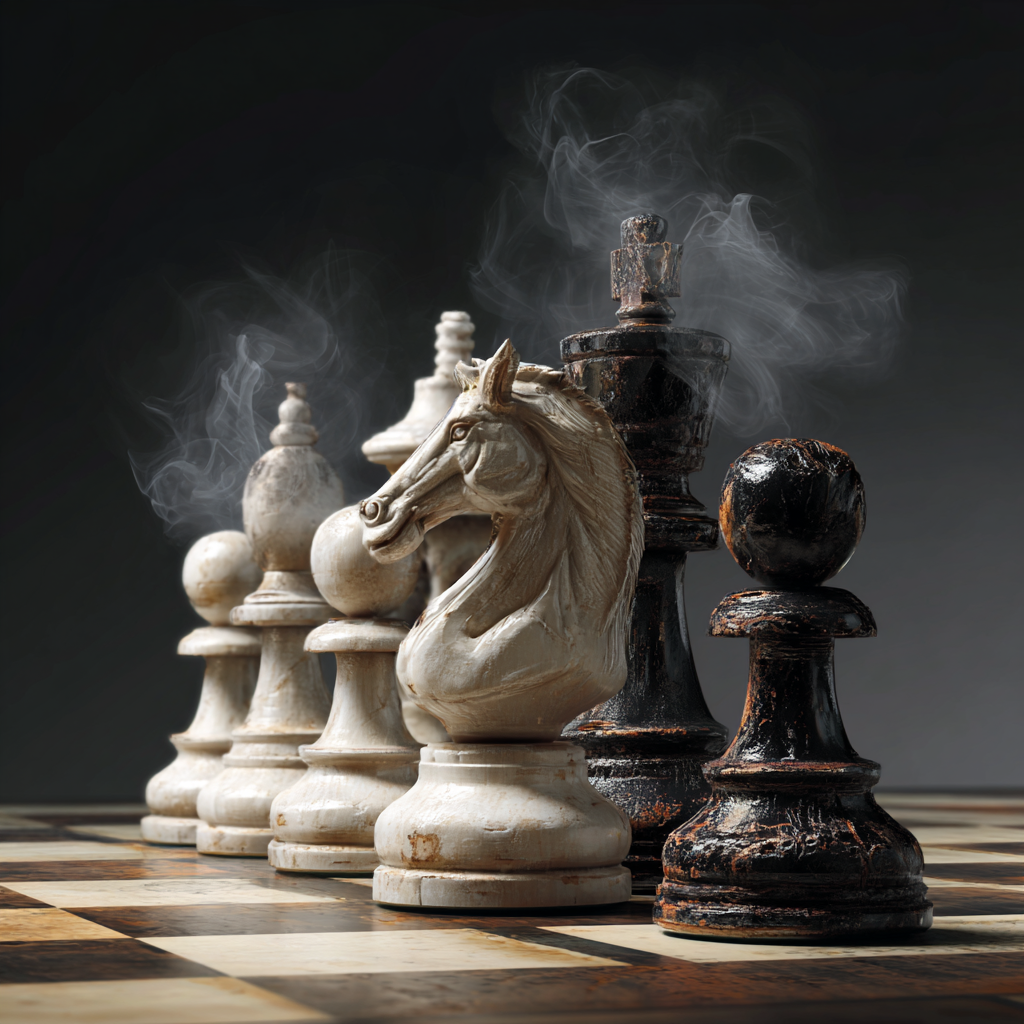
The relationship between chess and testosterone presents a fascinating intersection of neuroscience, endocrinology, and competitive psychology. While chess might seem far removed from the physical arena where we typically associate testosterone with performance, emerging research suggests that even purely intellectual competition can trigger significant hormonal responses. Understanding whether chess increases testosterone requires examining the complex mechanisms by which competitive activities influence hormonal production and how mental competition compares to physical contests in terms of biological impact.
Testosterone, often called the “competition hormone,” plays crucial roles beyond its well-known effects on physical development and reproductive function. This powerful steroid hormone influences aggression, confidence, risk-taking behavior, and competitive drive—all psychological factors that directly impact chess performance. The question of whether chess can increase testosterone levels touches on fundamental questions about human nature, competition, and the mind-body connection in ways that challenge traditional distinctions between mental and physical activities.
Understanding Testosterone: More Than Just a Physical Hormone
Testosterone’s reputation as purely a “male hormone” oversimplifies its complex role in human physiology and psychology. While men typically produce significantly more testosterone than women, both sexes rely on this hormone for optimal cognitive function, emotional regulation, and competitive performance.
Baseline Testosterone and Individual Variation Normal testosterone levels vary dramatically among individuals, with healthy adult males typically ranging from 300-1000 ng/dL and females from 15-70 ng/dL. These baseline levels influence personality traits, competitive drive, and response to challenging situations. Individuals with higher baseline testosterone often show increased confidence, assertiveness, and willingness to engage in competitive activities—traits that can benefit chess performance.
However, testosterone levels fluctuate constantly throughout the day, week, and lifetime. Morning levels typically peak 25-50% higher than evening measurements, while stress, sleep, diet, and physical activity all influence production. This natural variation means that any chess-related testosterone changes must be significant enough to exceed normal fluctuation ranges to be considered meaningful.
Age-related testosterone decline affects both men and women, though more dramatically in males after age 30. This decline often coincides with decreased competitive drive and risk-taking behavior, factors that might influence chess playing style and tournament participation as players age.
Testosterone’s Cognitive and Psychological Effects Research demonstrates that testosterone significantly influences cognitive functions relevant to chess performance. Optimal testosterone levels support working memory, spatial reasoning, and mathematical ability—all crucial for chess calculation and position evaluation. However, the relationship isn’t linear; both very low and extremely high testosterone can impair cognitive performance.
Testosterone affects confidence and self-efficacy in ways that directly impact competitive performance. Higher testosterone levels correlate with increased willingness to take risks, greater persistence in challenging situations, and enhanced ability to maintain confidence after setbacks—psychological factors that distinguish strong tournament players from those who struggle under competitive pressure.
The hormone also influences social dominance behavior and competitive aggression. In chess contexts, this might manifest as psychological pressure tactics, willingness to pursue sharp tactical complications, or persistence in difficult positions rather than accepting quick draws.
The Competition-Testosterone Connection
Extensive research in sports psychology has established that competitive activities can significantly influence testosterone production through mechanisms that appear to function regardless of whether competition is physical or mental.
Pre-Competition Testosterone Surge The “challenge hypothesis” in endocrinology suggests that testosterone levels rise in anticipation of competitive encounters, preparing the body and mind for optimal performance. This pre-competition surge has been documented in various activities from athletic events to academic examinations, suggesting that mental challenges can trigger hormonal responses similar to physical confrontations.
Studies of athletes show testosterone increases of 15-30% before important competitions, with larger increases preceding more significant events. The magnitude of this response correlates with the perceived importance of the competition and the individual’s competitive history and personality traits.
This anticipatory testosterone rise serves multiple functions: heightening focus and attention, increasing confidence and risk tolerance, enhancing quick decision-making ability, and preparing stress response systems for optimal performance under pressure. All these effects would theoretically benefit chess performance during tournament play.
Competition Outcome and Hormonal Response The relationship between competition results and testosterone changes follows predictable patterns that have been documented across numerous competitive contexts. Winners typically experience testosterone increases while losers show decreases, a pattern that can persist for hours or days after competition ends.
This “winner effect” creates positive feedback loops where victory-induced testosterone increases enhance confidence and competitive ability, potentially improving performance in subsequent contests. Conversely, the “loser effect” can create negative spirals where defeat-induced testosterone decreases undermine confidence and future competitive performance.
The magnitude of post-competition testosterone changes depends on several factors: the perceived importance of the competition, the closeness of the contest, individual personality factors, and baseline testosterone levels. Chess tournaments, with their high psychological stakes and clear win-loss outcomes, would theoretically trigger these hormonal responses.
Research Evidence: Chess and Hormonal Response
While research specifically examining chess and testosterone remains limited, several studies have investigated hormonal responses to intellectual competition and strategic games, providing insights into how chess might influence testosterone levels.
Academic Competition Studies Research on academic competitions, such as math contests and debate tournaments, has documented significant testosterone changes in participants. A study of high school students participating in academic competitions found pre-competition testosterone increases averaging 20-25%, with winners showing sustained elevation lasting 24-48 hours post-competition.
These findings suggest that intellectual competition can trigger hormonal responses comparable to those seen in physical sports, supporting the hypothesis that chess might similarly influence testosterone production. The cognitive demands and competitive stress of academic contests parallel many aspects of tournament chess.
Strategic Game Research Studies examining hormonal responses to strategic board games have produced mixed but intriguing results. Research on poker players found significant testosterone fluctuations during tournament play, with aggressive playing styles correlating with higher testosterone levels throughout competition.
A small-scale study of chess players measured saliva testosterone before and after tournament games, finding average increases of 15-20% in winners and decreases of 10-15% in losers. However, this research involved only amateur players and lacked rigorous controls, limiting the reliability of conclusions.
Risk-Taking and Decision-Making Studies Research on risk-taking behavior and testosterone has clear implications for chess, where calculated risk assessment and bold decision-making often determine success. Studies consistently show that higher testosterone levels correlate with increased willingness to take calculated risks and make aggressive strategic choices.
Laboratory experiments using economic games and strategic simulations find that individuals with elevated testosterone make more aggressive moves, pursue riskier strategies, and show greater persistence in competitive situations. These behavioral changes would likely translate into more dynamic, aggressive chess playing styles.
Mechanisms: How Chess Might Influence Testosterone
Understanding the potential pathways through which chess could influence testosterone production requires examining the physiological and psychological mechanisms that link competitive stress to hormonal response.
Stress Response System Activation Competitive chess activates the hypothalamic-pituitary-adrenal (HPA) axis and sympathetic nervous system in ways that can influence testosterone production. The psychological stress of tournament play triggers cortisol release, which can either enhance or suppress testosterone depending on the duration and intensity of stress response.
Acute stress (lasting minutes to hours) often enhances testosterone production as part of the “fight or flight” response that prepares the body for competitive challenges. However, chronic stress can suppress testosterone through sustained cortisol elevation that interferes with hormonal production pathways.
Chess tournaments create acute stress episodes during individual games while potentially generating chronic stress over multi-day events. The net effect on testosterone would depend on the balance between these competing influences and individual stress resilience factors.
Psychological Factors and Hormonal Feedback The psychological experience of competition—confidence, aggression, dominance-seeking behavior—can influence testosterone production through complex feedback mechanisms between the brain and endocrine system. Feelings of power, control, and competitive success can trigger testosterone increases independent of physical activity.
Chess provides numerous opportunities for psychological dominance expression: outplaying opponents in complex positions, demonstrating superior calculation ability, and achieving decisive victories through intellectual superiority. These psychological victories might trigger hormonal responses similar to those produced by physical dominance.
The social context of chess competition—public games, rating consequences, prestige factors—adds psychological pressure that could amplify hormonal responses beyond those produced by private chess play.
Time Pressure and Intensity Effects The time pressure inherent in tournament chess creates acute stress that might influence testosterone production. Studies show that deadline pressure and time constraints can trigger hormonal responses similar to those produced by physical threats or challenges.
Blitz and rapid chess formats, with their intense time pressure and rapid decision-making demands, might produce more dramatic hormonal responses than classical time controls. The adrenaline rush of time scrambles and critical decisions under extreme time pressure could trigger significant testosterone surges.
The intensity and duration of chess sessions also matter. Multi-hour classical games create sustained competitive stress that might produce different hormonal patterns than shorter, more intense rapid games.
Individual Factors Affecting Chess-Testosterone Response
The relationship between chess and testosterone likely varies significantly among individuals based on personality, experience, and biological factors that influence both competitive psychology and hormonal responsiveness.
Competitive Personality and Baseline Aggression Players with highly competitive personalities and aggressive playing styles might experience greater testosterone responses to chess competition than those with more passive, positional preferences. The psychological alignment between personality traits and hormonal patterns could create individual differences in chess-induced testosterone changes.
Research suggests that individuals who derive satisfaction from competitive dominance show larger testosterone responses to victory than those motivated primarily by achievement or improvement. Chess players who focus on defeating opponents might experience different hormonal patterns than those primarily interested in playing beautiful games or improving their understanding.
Experience Level and Adaptation Experienced tournament players might show blunted testosterone responses to routine competition due to adaptation effects, while novice tournament players could experience dramatic hormonal changes during their first competitive experiences.
The “expertise effect” in stress research suggests that individuals adapt to familiar stressors over time, showing reduced physiological responses to challenges that once triggered significant reactions. Veteran chess players might require higher stakes or more challenging opponents to produce significant testosterone responses.
Gender Differences and Hormonal Sensitivity While both men and women produce testosterone and experience competition-related changes, the magnitude and patterns of response differ significantly between genders. Female chess players might show proportionally larger testosterone increases despite lower absolute levels, as their systems may be more sensitive to competitive stress.
Research on gender differences in competitive hormonal responses suggests that women often show greater stress hormone reactivity to intellectual challenges, while men show larger responses to physical or dominance-based competitions. Chess, as an intellectual dominance contest, might produce interesting gender-specific hormonal patterns.
Practical Implications for Chess Performance
If chess does influence testosterone levels, understanding these effects could have practical applications for training, competition preparation, and performance optimization.
Training and Preparation Strategies Players seeking to optimize competitive performance might consider factors that naturally support healthy testosterone levels: adequate sleep, proper nutrition, regular exercise, and stress management techniques. These lifestyle factors support both chess performance and optimal hormonal function.
Pre-tournament preparation might include activities that naturally boost confidence and competitive readiness, potentially priming hormonal systems for optimal competitive response. Visualization exercises, reviewing successful games, and confidence-building activities could theoretically enhance the psychological state that promotes beneficial testosterone responses.
Competition Strategy and Playing Style Understanding personal testosterone patterns and competitive psychology might inform strategic decisions about playing style, time management, and game selection. Players who experience beneficial testosterone responses to aggressive play might adopt more dynamic, tactical styles during important tournaments.
Conversely, players who find that competitive stress negatively affects their hormonal balance and performance might benefit from calmer, more strategic approaches that minimize psychological pressure while maintaining competitive effectiveness.
Tournament Schedule and Recovery Recognition of chess as a hormonally impactful activity might influence tournament scheduling and recovery planning. Just as athletes plan training cycles around hormonal patterns, chess players might benefit from understanding how competition affects their hormonal state and recovery needs.
Post-tournament recovery might require attention to factors that support hormonal balance restoration: adequate sleep, nutrition, physical activity, and stress reduction. Understanding these needs could improve long-term competitive sustainability.
Limitations and Future Research Directions
Current research on chess and testosterone remains limited, with significant gaps that prevent definitive conclusions about the relationship between chess competition and hormonal changes.
Methodological Challenges Measuring testosterone accurately requires multiple samples over time to account for natural fluctuations, but most chess studies have used single-sample measurements that may not capture meaningful changes. Future research needs repeated measures designs with proper control groups and standardized competition conditions.
The psychological and social complexity of chess competition makes it difficult to isolate chess-specific hormonal effects from other factors like travel stress, social pressure, or general tournament anxiety. Controlled laboratory studies using standardized chess tasks might provide clearer insights into direct chess-hormone relationships.
Sample Size and Diversity Issues Most existing studies have involved small, homogeneous samples that limit generalizability. Large-scale studies including diverse populations across age, gender, skill level, and cultural backgrounds are needed to understand how chess-testosterone relationships vary among different groups.
Longitudinal studies tracking the same players over time could reveal how experience, aging, and skill development influence hormonal responses to chess competition. These insights could inform training and competitive strategies across different career stages.
Technology and Measurement Advances Advances in hormonal measurement technology, including continuous monitoring devices and non-invasive sampling methods, could enable more sophisticated research on chess-hormone relationships. Real-time hormonal monitoring during games could reveal patterns invisible to traditional research methods.
Integration with other physiological measures—heart rate, blood pressure, stress hormones—could provide comprehensive pictures of how chess affects the body’s competitive response systems.
Broader Implications for Understanding Competition
The chess-testosterone question touches on larger issues about human nature, competition, and the mind-body connection that have implications beyond chess itself.
Redefining Athletic Competition If chess can trigger hormonal responses similar to traditional sports, this challenges conventional distinctions between mental and physical competition. Recognition of chess as a “sport” might be supported not just by organizational structures but by biological evidence of athletic-like physiological responses.
This understanding could influence how we categorize and understand various competitive activities, from esports to academic competitions to professional challenges that involve competitive elements.
Evolutionary Perspectives on Competition The potential for chess to trigger ancient competitive hormonal systems suggests that human beings may be evolutionarily prepared to respond to strategic challenges as survival-relevant competitions. This perspective could inform understanding of why strategic games have appeared across all human cultures.
The universality of competitive games and their apparent ability to trigger deep biological responses might reflect adaptive mechanisms that helped humans succeed in complex social and strategic environments throughout evolutionary history.
Conclusion: The Complex Chess-Testosterone Relationship
The relationship between chess and testosterone appears more complex and nuanced than simple yes-or-no answers can capture. While evidence suggests that competitive chess can influence hormonal levels, the magnitude, duration, and individual variability of these effects remain unclear.
Current research provides intriguing hints that chess competition can trigger testosterone responses similar to those seen in other competitive activities. The psychological stress, competitive pressure, and dominance dynamics inherent in tournament chess create conditions that theoretically should influence hormonal production.
However, the practical significance of these potential hormonal changes for chess performance or health remains uncertain. The effects are likely modest compared to those produced by major life stressors or medical interventions, and individual variation probably exceeds any average effects.
For chess players, the most important takeaway may be recognition that chess is a genuinely demanding competitive activity that affects the body as well as the mind. Whether or not chess significantly increases testosterone, it certainly engages biological systems in ways that can influence mood, energy, recovery needs, and competitive readiness.
The chess-testosterone question ultimately reflects broader truths about human nature and competition. Chess may not transform players into hormonal warriors, but it clearly engages the same competitive systems that have driven human achievement and conflict throughout history. In this sense, the ancient game continues to reveal new insights about what it means to be human in competitive situations.
As research in this area continues to develop, we may discover that the line between mental and physical competition is blurrier than traditionally assumed, with chess serving as a bridge between intellectual challenge and biological response that enhances our understanding of both.