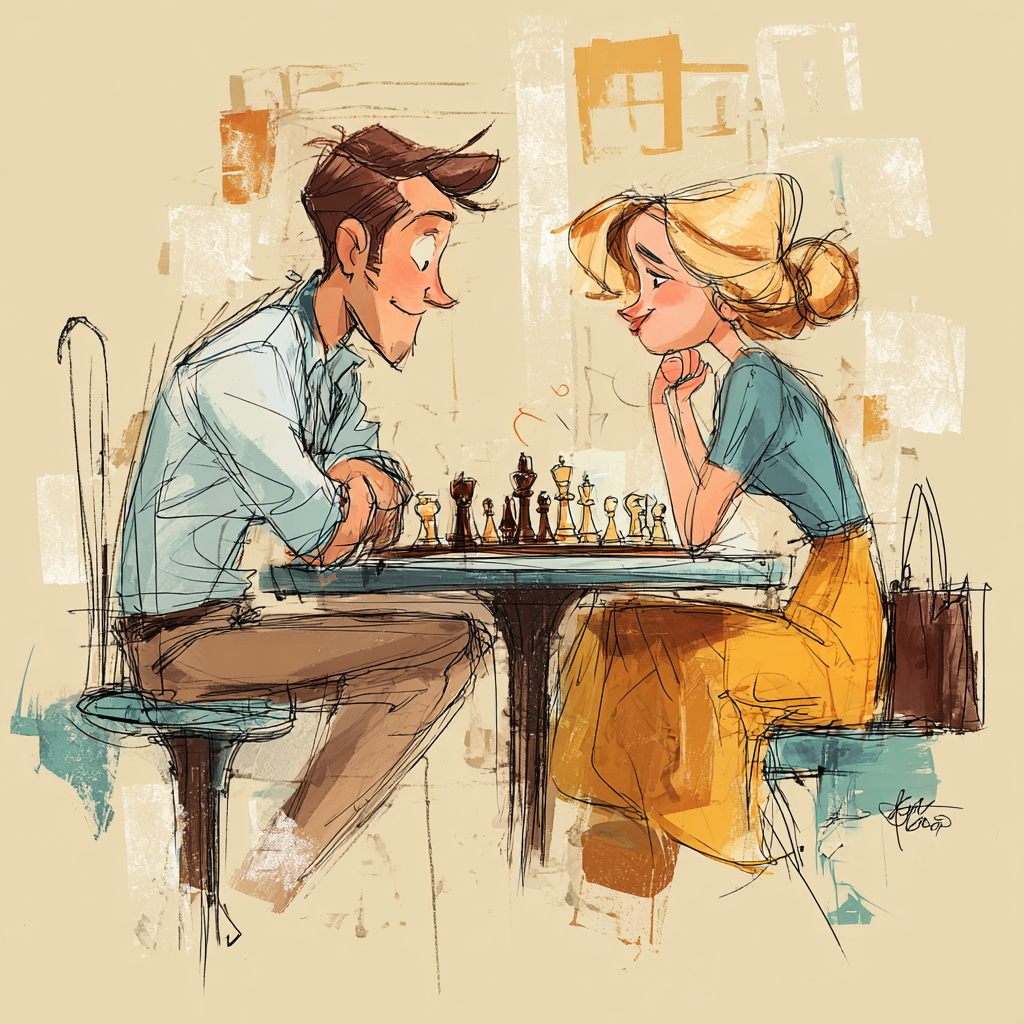
In the digital age of swipe-right dating and superficial connections, finding a meaningful romantic partner has become increasingly challenging. Yet within the intellectual world of chess lies an unexpected pathway to deep, lasting relationships built on shared passion, mutual respect, and genuine compatibility. Chess serves as both a meeting ground for like-minded individuals and a relationship testing ground that reveals character, intelligence, and emotional maturity—qualities essential for lasting romantic partnerships.
Far from the stereotype of chess players as socially awkward loners, the modern chess community is vibrant, diverse, and relationship-rich. Chess tournaments, clubs, and online platforms create natural opportunities for meaningful connections, while the game itself provides unique insights into potential partners’ personalities, values, and compatibility. The strategic thinking that makes someone a strong chess player often translates to the emotional intelligence and long-term planning skills that create successful relationships.
The Chess Community: A Hidden Dating Pool
The global chess community represents one of the world’s largest networks of intellectually curious, goal-oriented individuals who share common interests and values. With over 600 million chess players worldwide, this community spans all ages, professions, and backgrounds, creating diverse opportunities for romantic connections that traditional dating venues rarely match.
Chess communities naturally attract people with desirable relationship qualities: patience, strategic thinking, resilience, intellectual curiosity, and appreciation for gradual improvement. These characteristics often translate into relationship skills like commitment, communication, problem-solving, and long-term thinking—qualities that relationship research consistently identifies as predictors of romantic success.
Unlike dating apps that rely on superficial first impressions, chess communities allow relationships to develop organically through shared activities, repeated interactions, and demonstrated character. People meet through natural common interests rather than forced romantic contexts, reducing pressure while increasing authenticity and compatibility potential.
Meeting Through Chess: Natural and Organic Connections
Chess provides numerous natural meeting opportunities that feel organic rather than forced. Tournament play, club participation, online communities, and chess education create contexts where romantic connections can develop naturally through shared passion and repeated positive interactions.
Tournament Encounters: Chess tournaments bring together dedicated players for intensive shared experiences. The combination of competitive excitement, mutual respect for opponents, and post-game analysis creates natural conversation opportunities. Many chess couples report meeting during tournaments, where the shared intensity and common interests created immediate connection points.
Chess Club Romance: Local chess clubs provide regular meeting opportunities in relaxed, social environments. Club members interact repeatedly over time, allowing relationships to develop gradually through friendship, shared activities, and demonstrated character. The club setting reduces dating pressure while maximizing compatibility assessment opportunities.
Online Chess Communities: Modern chess platforms like Chess.com and Lichess enable global connections between players who share interests, skill levels, and playing styles. These platforms often lead to friendships that transition to romantic relationships, particularly when players discover geographic proximity or plan to meet at tournaments.
Chess Education Connections: Chess coaching, classes, and workshops create mentor-student and peer learning relationships that often develop into romantic partnerships. The shared learning experience and intellectual engagement provide strong foundations for deeper connections.
Table 1: Chess Meeting Opportunities and Their Relationship Potential
| Meeting Context | Interaction Type | Relationship Advantages | Common Outcomes | Success Factors |
|---|---|---|---|---|
| Local Chess Tournaments | Competitive but respectful | Shared passion, mutual respect, common goals | Dating, marriage, chess partnerships | Sportsmanship, social skills, follow-up |
| Chess Clubs | Regular social interaction | Repeated exposure, friendship development, character observation | Long-term relationships, marriages | Consistent attendance, social engagement |
| Online Chess Platforms | Global connections, chat interactions | Intellectual compatibility, shared interests, convenient communication | Online relationships, meeting arrangements | Communication skills, honesty, meeting willingness |
| Chess Coaching/Classes | Educational partnership | Mentor-student dynamics, shared learning, intellectual growth | Student-teacher relationships, peer partnerships | Professional boundaries, mutual respect |
| Chess Camps/Retreats | Intensive shared experiences | Deep interaction, shared challenges, bonding opportunities | Summer romances, lasting partnerships | Openness, social skills, follow-through |
| University Chess Teams | Team collaboration | Shared goals, peer relationships, extended interaction time | College relationships, lifelong partnerships | Team spirit, academic compatibility |
| Chess Cafes/Venues | Casual social environment | Relaxed interaction, natural conversation, repeated meetings | Casual dating, serious relationships | Social comfort, regular attendance |
| Chess Streaming/Content | Digital community engagement | Shared interests, global reach, personality visibility | Online relationships, fan connections | Authentic presentation, community engagement |
What Chess Reveals About Character and Compatibility
Chess serves as a unique window into personality, character, and relationship potential that traditional dating rarely provides. The game’s demands for strategic thinking, emotional regulation, gracious competition, and persistent effort reveal qualities that directly predict relationship success.
Emotional Regulation: How someone handles wins, losses, and pressure in chess provides crucial insights into their emotional maturity and regulation skills. Players who remain gracious in defeat and humble in victory often demonstrate the emotional intelligence essential for healthy relationships. Those who become angry, blame opponents, or make excuses reveal potential relationship red flags.
Problem-Solving Approach: Chess problem-solving styles often mirror real-life approaches to challenges. Methodical, patient players who consider multiple options typically bring similar thoughtfulness to relationship decisions. Impulsive players who rely on quick fixes might struggle with the patience that long-term relationships require.
Learning Mindset: How chess players approach improvement—whether they analyze mistakes, seek feedback, or persist through plateaus—indicates their growth mindset and self-improvement commitment. These qualities transfer directly to relationship development and conflict resolution.
Competitive Grace: Chess players’ attitudes toward competition reveal important character traits. Those who respect opponents, follow rules, and compete fairly typically demonstrate the fairness and respect essential for healthy partnerships.
Building Relationships Through Chess Instruction and Learning
Teaching and learning chess creates natural opportunities for relationship development through intellectual intimacy, shared achievement, and gradual trust building. These educational relationships often develop into romantic partnerships because they provide extended interaction time and demonstration of patience, communication skills, and mutual support.
The Teacher-Student Dynamic: Chess instruction creates intimate intellectual relationships where teacher and student share knowledge, celebrate progress, and work toward common goals. This dynamic often generates mutual respect and attraction, particularly when both participants are adults in appropriate circumstances.
Peer Learning Partnerships: Chess study partnerships, where players of similar skill levels analyze games and practice together, often develop into romantic relationships. The collaborative nature of chess improvement creates natural bonding opportunities and demonstrates compatibility in learning styles and goals.
Family Chess Teaching: Teaching chess to family members often strengthens existing relationships while creating new ones. Parents who teach children chess build special bonds, while siblings who play together develop unique connections. These family chess relationships often influence future romantic partner selection by establishing chess as a relationship value.
Chess as a Dating Activity: Strategic Advantages
Chess makes an excellent dating activity that provides unique advantages over traditional dating venues. The game creates natural conversation opportunities, reveals personality traits, eliminates superficial distractions, and provides shared experiences that build connection.
Conversation Catalyst: Chess naturally generates conversation through position discussion, strategy explanation, and move analysis. These chess-focused conversations reveal thinking processes, problem-solving approaches, and personality traits while maintaining intellectual engagement throughout the date.
Pressure Reduction: Unlike dinner dates or entertainment events that can feel forced or expensive, chess dates feel natural and low-pressure. The game provides activity focus that reduces dating anxiety while creating opportunities for genuine interaction and personality revelation.
Cost-Effective Dating: Chess dates are extremely affordable—requiring only a chess set and comfortable location. This accessibility makes chess dating attractive for budget-conscious individuals while emphasizing intellectual connection over material displays.
Skill-Level Flexibility: Chess works for dates regardless of skill differences. Stronger players can teach weaker ones, creating mentorship dynamics that build connection. Similarly skilled players can compete as equals, creating mutual respect and challenge.
Online Chess Dating: Modern Relationships in Digital Spaces
Online chess platforms have revolutionized chess-based relationship building by enabling global connections, convenient communication, and gradual relationship development. These platforms often lead to lasting romantic relationships that begin with chess compatibility and develop into deeper connections.
Global Reach: Online chess removes geographic limitations, enabling connections between compatible players worldwide. Many successful relationships begin with online chess partnerships that discover geographic proximity or arrange meetings at tournaments or chess events.
Communication Integration: Modern chess platforms integrate chat, video calls, and social features that enable comprehensive communication alongside chess play. These tools support relationship development by combining chess interaction with personal communication and emotional connection.
Compatibility Assessment: Online chess provides extensive data about playing styles, preferences, time commitment, and chess goals that help assess compatibility. Players can evaluate potential partners’ dedication, improvement motivation, and chess philosophy before meeting in person.
Safety and Comfort: Online chess dating provides safety advantages by allowing gradual relationship development in comfortable environments. Participants can assess compatibility and build trust before meeting in person, reducing risks associated with traditional dating.
Chess Compatibility: What to Look for in a Chess-Playing Partner
When seeking romantic partners through chess, certain compatibility factors predict relationship success better than others. Understanding these factors helps identify promising connections while avoiding potential incompatibilities.
Chess Philosophy Alignment: Partners with similar chess philosophies—whether they prefer tactical complications or strategic maneuvering, competitive intensity or casual enjoyment—typically develop more harmonious relationships. Fundamental differences in chess approach often reflect deeper personality differences that can create relationship tensions.
Time Commitment Compatibility: Chess time commitments should be reasonably compatible between partners. Serious tournament players typically need partners who understand and support their chess dedication, while casual players might feel overwhelmed by partners with intensive chess schedules.
Learning and Growth Mindset: Partners who both embrace learning and improvement, whether in chess or life generally, typically develop stronger relationships. Shared commitment to growth creates opportunities for mutual support and development.
Social Chess Preferences: Some chess players prefer solitary study and online play, while others thrive in tournament and club environments. Compatible social preferences prevent conflicts about chess-related activities and social commitments.
Success Stories: Real Chess Romance Examples
The chess world is filled with romantic success stories that demonstrate the game’s power to create lasting relationships. These examples provide inspiration and practical insights for those seeking love through chess.
Tournament Romance: Many professional chess couples met during tournaments, where shared competitive intensity and mutual respect created immediate connections. World champions like Garry Kasparov and Anatoly Karpov both met their spouses through chess connections, demonstrating that even the highest levels of chess competition can foster romance.
Club Sweethearts: Local chess clubs have produced countless romantic partnerships, often between players who initially competed as opponents before discovering personal compatibility. These relationships typically develop slowly through repeated club interactions and gradually deepening friendship.
Online to Offline: Modern chess platforms facilitate numerous relationships that begin online and transition to in-person partnerships. These relationships often feature strong communication foundations built through chess-focused conversations that gradually expand to personal topics.
Teaching Romance: Chess instruction frequently creates romantic connections between dedicated teachers and committed students. These relationships benefit from the intellectual intimacy and mutual respect that characterize effective chess education.
Challenges and Considerations in Chess-Based Dating
While chess provides excellent opportunities for relationship building, certain challenges and considerations should be understood to maximize success and avoid potential problems.
Skill Level Differences: Significant skill differences can create relationship challenges if not handled sensitively. Stronger players must avoid condescension while weaker players should resist insecurity or resentment. Successful chess couples often find ways to enjoy chess together despite skill differences.
Competitive Tensions: Playing chess with romantic partners can create competitive tensions that strain relationships. Some couples avoid playing each other seriously, while others establish rules for maintaining relationship harmony during chess competition.
Time Balance Issues: Serious chess involvement requires significant time commitments that can conflict with relationship priorities. Successful chess couples typically negotiate time allocation that respects both chess passion and relationship needs.
Community Integration: Chess communities can be insular or politically complex, requiring social navigation skills to build successful relationships within chess contexts. Understanding community dynamics helps avoid potential relationship obstacles.
Building Chess Relationship Skills
Developing specific skills enhances success in chess-based relationship building. These skills combine chess knowledge with social competence and emotional intelligence.
Chess Communication: Learning to discuss chess clearly and enthusiastically helps build connections with other players. This includes explaining positions, sharing chess stories, and expressing chess passion in engaging ways.
Gracious Competition: Developing sportsmanship and emotional regulation during chess play demonstrates character traits that attract potential partners. This includes accepting defeats graciously, winning humbly, and maintaining respect for opponents.
Teaching Ability: Developing chess teaching skills creates opportunities for relationship building while demonstrating patience, communication ability, and expertise. Even modest teaching ability can create connection opportunities.
Social Chess Skills: Learning to navigate chess social environments—clubs, tournaments, online communities—enhances relationship-building opportunities by maximizing positive interactions and community integration.
The Future of Chess Dating
Technology and changing social patterns continue expanding opportunities for chess-based relationship building. Understanding these trends helps maximize romantic opportunities through chess engagement.
Virtual Reality Chess: Emerging VR chess platforms may create new opportunities for intimate chess experiences that combine the engagement of in-person play with the convenience of online interaction.
Chess Dating Apps: Specialized dating platforms that combine chess play with relationship matching may develop, providing targeted opportunities for chess players seeking romantic connections.
Chess Social Networks: Enhanced social features on chess platforms continue expanding relationship-building opportunities by facilitating communication, community building, and compatibility assessment.
Global Chess Travel: Increasing chess tourism and international tournament participation creates opportunities for cross-cultural relationships and global chess community integration.
Practical Steps for Finding Love Through Chess
For those interested in using chess to find romantic partners, specific practical steps maximize success while maintaining authenticity and genuine chess engagement.
Skill Development: Improving chess skills increases confidence, expands social opportunities, and enhances attractiveness within chess communities. Even modest improvement opens new social circles and relationship possibilities.
Community Engagement: Active participation in chess communities—clubs, tournaments, online platforms—maximizes meeting opportunities while building reputation and social connections.
Authentic Presentation: Presenting genuine personality and chess passion attracts compatible partners while avoiding relationships based on false impressions. Authenticity enables better compatibility assessment and longer-lasting connections.
Patience and Persistence: Like chess improvement, relationship building through chess requires patience and persistence. Quality relationships often develop slowly through repeated positive interactions and gradually building trust.
Conclusion: Love and Chess – A Winning Combination
Chess offers a unique and powerful pathway to finding meaningful romantic relationships built on shared passion, intellectual compatibility, and demonstrated character. Through its combination of competitive challenge, social interaction, and character revelation, chess creates ideal conditions for meeting compatible partners and building lasting relationships.
The strategic thinking that makes someone a strong chess player often translates to the emotional intelligence, planning ability, and commitment that create successful relationships. Chess communities attract individuals with qualities that research consistently identifies as relationship success predictors: patience, persistence, intellectual curiosity, and appreciation for gradual improvement.
For those seeking love in an increasingly complex dating landscape, chess provides a time-tested alternative that emphasizes compatibility over superficiality, character over appearance, and shared passion over convenience. The ancient game becomes a modern matchmaker, bringing together minds that think strategically and hearts that appreciate beauty, challenge, and intellectual connection.
Whether you’re a chess enthusiast looking for love or someone seeking a meaningful approach to dating, chess offers proven pathways to romantic success. The sixty-four squares have witnessed countless love stories unfold, from casual club romances to world championship couples, proving that the royal game has the power to create royal relationships.
Your perfect partner might be just one move away—sitting across a chess board, analyzing positions online, or sharing the excitement of tournament competition. In the game of love, chess players have a decisive advantage: they understand strategy, appreciate patience, and know that the best victories come to those who plan carefully and persist through challenges. Your chess love story is waiting to begin.