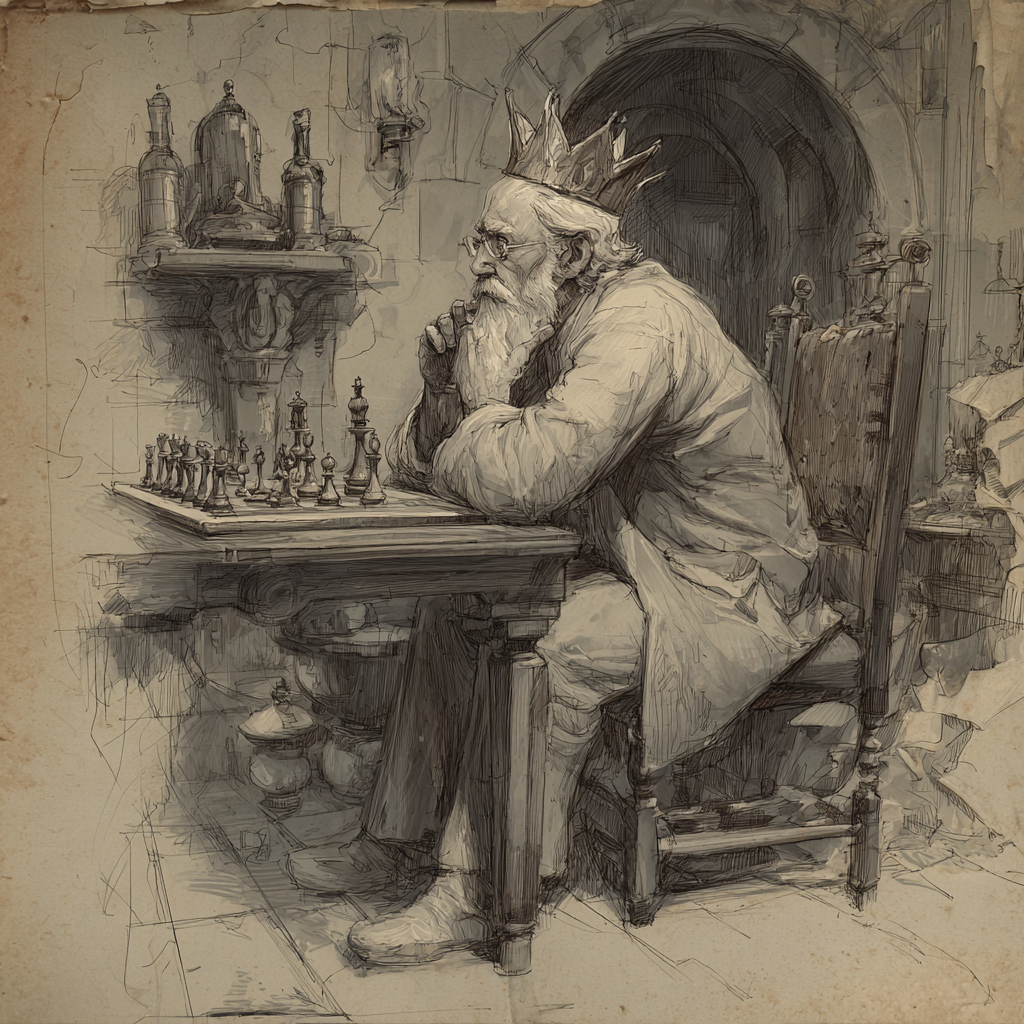
In an age of endless distractions and superficial pleasures, finding genuine happiness and lasting joy has become increasingly elusive. Yet within the ancient boundaries of sixty-four squares lies a profound pathway to authentic fulfillment that has enriched millions of lives across centuries. Chess, far from being merely an intellectual exercise, serves as a comprehensive system for discovering and cultivating the deep satisfaction that comes from meaningful challenge, continuous growth, and purposeful engagement with life.
The happiness that chess provides transcends the fleeting pleasure of momentary victories. It encompasses the profound satisfaction of intellectual growth, the joy of creative discovery, the warmth of community connection, and the deep contentment that emerges from pursuing mastery. Through chess, players discover that true happiness lies not in external circumstances but in the quality of their engagement with challenges, relationships, and personal development.
This exploration reveals how chess systematically addresses the fundamental components of human happiness identified by positive psychology research: engagement, meaning, positive relationships, accomplishment, and positive emotions. The game becomes a vehicle for experiencing what researchers call “eudaimonic well-being”—the deep satisfaction that comes from living according to one’s true potential and values.
The Science of Chess and Happiness
Recent research in positive psychology reveals that chess players experience measurably higher levels of life satisfaction, resilience, and overall well-being compared to non-players. Studies using validated happiness scales show that regular chess participation correlates with increased positive emotions, enhanced sense of purpose, and greater life meaning.
Dr. Martin Seligman’s PERMA model of well-being identifies five essential elements of happiness: Positive emotions, Engagement, Relationships, Meaning, and Achievement. Chess naturally incorporates all five elements, creating a comprehensive happiness-generating system that few other activities can match.
Neuroimaging studies reveal that chess activates brain regions associated with reward processing, pleasure, and satisfaction. The game triggers the release of dopamine during tactical discoveries, endorphins during flow states, and serotonin through social chess interactions. This neurochemical cascade creates the biological foundation for the happiness that chess players consistently report.
The Joy of Intellectual Discovery
Chess provides endless opportunities for intellectual discovery that generate profound joy and satisfaction. Each game presents unique puzzles to solve, patterns to recognize, and creative solutions to explore. This constant novelty and challenge satisfy what psychologists call “cognitive curiosity”—a fundamental human drive for learning and understanding.
Tactical Revelations: The moment when a tactical combination suddenly becomes clear—what chess players call “seeing the tactic”—produces intense joy comparable to scientific discovery. This “aha!” moment triggers neurochemical rewards that reinforce learning and create positive associations with mental challenge.
Strategic Insights: Developing strategic understanding brings deeper, more lasting satisfaction than tactical discoveries. As players begin to understand positional concepts, plan formation, and long-term thinking, they experience the profound joy of expanding their mental horizons and seeing the game’s deeper patterns.
Pattern Recognition Growth: The gradual development of pattern recognition creates ongoing satisfaction as players notice their expanding ability to quickly assess positions and identify key features. This growth in expertise provides continuous positive feedback that maintains motivation and generates happiness.
Creative Problem-Solving: Chess presents infinite creative opportunities as players find novel solutions to unique positions. This creative expression satisfies fundamental human needs for innovation and artistic expression, generating joy through intellectual creativity.
Flow State and Deep Engagement
Chess is uniquely suited to producing “flow states”—periods of complete absorption and effortless concentration that represent peak human experience. During flow, players lose track of time, self-consciousness disappears, and performance reaches optimal levels. These experiences provide some of life’s most profound happiness and satisfaction.
The conditions necessary for flow—clear goals, immediate feedback, balance between challenge and skill—are naturally present in chess. Every position presents clear objectives, every move provides feedback, and the rating system ensures appropriate challenge levels. This makes chess an ideal activity for accessing flow states regularly.
Research by Mihaly Csikszentmihalyi shows that people who regularly experience flow report significantly higher life satisfaction and happiness. Chess players naturally develop the ability to enter flow states, building skills for accessing peak experience that transfer to other life activities.
Complete Absorption: During intense chess games, players often report complete absorption where external distractions disappear and attention focuses entirely on the position. This single-pointed focus provides relief from everyday worries and stress while generating deep satisfaction.
Optimal Challenge: Chess automatically adjusts challenge levels through rating systems and opponent selection, maintaining the delicate balance between boredom and anxiety that enables flow. This ensures that players consistently experience appropriate challenge levels for their skill.
Immediate Feedback: Every move in chess provides immediate feedback about its quality, consequences, and effectiveness. This rapid feedback loop maintains engagement and enables quick learning adjustments that support flow states.
Social Connection and Community Joy
Chess creates unique opportunities for meaningful social connection that contribute significantly to happiness and well-being. Unlike many competitive activities that can damage relationships, chess builds bridges between people of different ages, backgrounds, and cultures through shared appreciation for the game’s beauty and challenge.
Intergenerational Bonds: Chess naturally brings together people across age groups, creating mentorship opportunities and intergenerational friendships. Young players learn from experienced masters while bringing energy and fresh perspectives to established players. These relationships provide mutual enrichment and joy.
Cultural Bridges: Chess serves as a universal language that transcends cultural, linguistic, and national boundaries. Players from different backgrounds connect through shared understanding of chess principles, creating friendships and cultural exchange opportunities that broaden perspectives and generate happiness.
Teaching and Learning Joy: The chess community’s emphasis on teaching and learning creates opportunities for giving and receiving that enhance well-being. Stronger players find satisfaction in helping others improve, while developing players experience the joy of guidance and support from mentors.
Tournament Communities: Chess tournaments create temporary communities where participants share intense experiences, celebrate achievements, and support each other through challenges. These concentrated social experiences often generate lasting friendships and positive memories.
Achievement and Mastery Satisfaction
Chess provides a clear pathway to achievement and mastery that generates deep satisfaction and self-efficacy. The game’s rating system, title structure, and measurable improvement create multiple opportunities for accomplishment that build confidence and self-worth.
Progressive Achievement: Chess offers achievements at every skill level, from learning basic moves to achieving master titles. This progressive structure ensures that players consistently experience success and advancement, maintaining motivation and generating ongoing satisfaction.
Objective Measurement: The chess rating system provides objective measurement of improvement that validates effort and progress. Unlike subjective assessments, chess ratings offer clear feedback about growth that builds confidence and satisfaction with personal development.
Skill Mastery: The journey toward chess mastery involves developing multiple interconnected skills—tactical calculation, strategic understanding, pattern recognition, time management, and psychological resilience. This multi-faceted development provides rich opportunities for experiencing competence and growth.
Personal Bests: Chess creates numerous opportunities for personal achievements—highest rating reached, best tournament performance, most beautiful game played, or teaching milestone achieved. These personal victories generate lasting satisfaction and positive self-regard.
Meaning and Purpose Through Chess
Chess provides opportunities for discovering meaning and purpose that contribute to eudaimonic well-being—happiness that comes from living meaningfully rather than merely pleasurably. Players often find that chess becomes a vehicle for expressing values, contributing to communities, and pursuing excellence.
Excellence Pursuit: The quest for chess improvement embodies the human drive toward excellence and self-actualization. This pursuit provides meaning through dedication to craft, discipline in practice, and commitment to continuous growth.
Teaching and Mentorship: Many chess players find deep purpose in teaching others, whether formally as instructors or informally as mentors. Passing on chess knowledge and wisdom creates meaning through contribution to others’ development and community building.
Artistic Expression: Chess offers opportunities for artistic expression through beautiful combinations, elegant strategies, and creative solutions. Players experience the satisfaction of creating something beautiful and meaningful through their play.
Cultural Preservation: Participating in chess culture means joining a tradition spanning centuries and connecting with millions of players throughout history. This cultural participation provides meaning through connection to something larger than oneself.
Stress Relief and Mental Health Benefits
Chess provides effective stress relief and mental health benefits that contribute significantly to overall happiness and well-being. The game’s demands for concentration and strategic thinking create natural stress reduction while building psychological resilience.
Meditative Focus: Chess requires sustained attention that naturally quiets mental chatter and worry. This meditative quality provides relief from stress and anxiety while promoting mental clarity and calm.
Cognitive Engagement: Engaging with chess challenges redirects attention away from daily stresses and problems, providing mental breaks that restore psychological resources and maintain emotional balance.
Accomplishment Therapy: The regular small accomplishments in chess—solving tactics, winning games, improving positions—provide positive experiences that counter depression and build psychological momentum.
Social Support: Chess communities offer social support networks that provide encouragement, understanding, and friendship. These relationships buffer stress and contribute to overall mental health and happiness.
Life Lessons That Generate Wisdom and Satisfaction
Chess teaches fundamental life lessons that generate wisdom and deep satisfaction. These insights often extend far beyond the board, enriching players’ understanding of life and enhancing their ability to find happiness in various circumstances.
Acceptance and Resilience: Chess teaches acceptance of outcomes while maintaining effort and hope. Players learn to bounce back from defeats, accept mistakes without self-condemnation, and persist through difficulties—skills that enhance life satisfaction.
Present Moment Awareness: Chess demands attention to current positions rather than dwelling on past moves or future concerns. This present-moment focus develops mindfulness skills that enhance happiness and reduce anxiety about past and future.
Growth Mindset: Chess naturally develops growth mindset—the belief that abilities can be developed through effort and learning. This perspective enhances happiness by making challenges exciting rather than threatening and failures informative rather than devastating.
Patience and Delayed Gratification: Chess teaches the value of patient planning and delayed gratification. These skills enhance life satisfaction by enabling better decision-making and appreciation for long-term achievements over short-term pleasures.
Creative Expression and Artistic Joy
Chess offers surprising opportunities for creative expression and artistic appreciation that generate joy and satisfaction. The game’s combination of logic and creativity enables players to experience the happiness that comes from artistic expression and aesthetic appreciation.
Combination Artistry: Beautiful tactical combinations represent genuine artistic creation—elegant, surprising, and aesthetically pleasing solutions to complex problems. Creating and appreciating these combinations provides artistic joy similar to other creative pursuits.
Strategic Aesthetics: Strategic chess concepts often have aesthetic dimensions—elegant pawn structures, harmonious piece coordination, beautiful positional sacrifices. Appreciating and creating these aesthetic elements generates joy through artistic engagement.
Game Narratives: Chess games tell stories with dramatic tension, character development, and resolution. Players become both authors and protagonists in these narratives, experiencing creative satisfaction through game creation and storytelling.
Opening Innovation: Developing new opening ideas or improvements represents genuine creative contribution to chess knowledge. This creative research provides satisfaction through innovation and contribution to chess culture.
Technology and Modern Chess Happiness
Modern technology has expanded opportunities for chess-related happiness through online play, educational resources, and global community access. These technological developments make chess happiness more accessible while creating new forms of engagement and satisfaction.
Global Connection: Online chess platforms enable instant connection with players worldwide, creating opportunities for international friendship, cultural exchange, and 24/7 chess engagement that enhances happiness through social connection and convenient access.
Educational Resources: High-quality chess education through videos, courses, and interactive tools makes improvement more accessible and enjoyable. This educational abundance enhances happiness by accelerating progress and providing varied learning experiences.
Analysis Tools: Computer analysis helps players understand their games more deeply, accelerating learning and providing insights that generate satisfaction and improvement motivation.
Streaming and Content: Chess content creation and consumption through streaming, videos, and podcasts creates entertainment value while building community connections and providing learning opportunities.
Age-Specific Happiness Benefits
Chess provides age-appropriate happiness benefits throughout the lifespan, adapting to different developmental needs and life circumstances while consistently contributing to well-being.
Childhood Joy: Children experience chess happiness through game-like learning, achievement recognition, adult approval, and peer interaction. The game provides structure for healthy competition and intellectual development that builds confidence and social skills.
Adolescent Identity: Teenagers often find identity and belonging through chess communities, intellectual achievement that distinguishes them positively, and adult mentorship that supports development. Chess provides constructive outlets for competitive energy and achievement motivation.
Adult Fulfillment: Adults use chess for stress relief, intellectual stimulation, social connection, and personal achievement outside work contexts. The game provides balance to professional responsibilities while offering opportunities for growth and community.
Senior Engagement: Older adults find chess happiness through cognitive stimulation, social interaction, mentorship opportunities, and continued learning. The game provides purpose, community, and mental challenge that support successful aging.
Building a Chess-Centered Happy Life
Creating lasting happiness through chess requires intentional cultivation of the game’s happiness-generating elements. This involves balancing improvement goals with enjoyment, nurturing chess relationships, and applying chess lessons to broader life contexts.
Balanced Approach: Maintain balance between serious study and playful enjoyment, competitive goals and social connection, individual improvement and community contribution. This balance ensures sustainable happiness rather than achievement stress.
Community Investment: Actively participate in chess communities through clubs, tournaments, online forums, and teaching opportunities. These social investments amplify happiness through relationship building and shared experiences.
Mindful Practice: Approach chess practice mindfully, appreciating the learning process, celebrating small improvements, and enjoying the journey rather than focusing solely on results. This mindful approach enhances happiness during the improvement process.
Life Integration: Apply chess lessons to other life areas—strategic thinking in career planning, patience in relationships, resilience in facing challenges. This integration multiplies chess happiness benefits throughout life.
Overcoming Chess-Related Happiness Obstacles
While chess generally promotes happiness, certain approaches or circumstances can diminish its joy-generating potential. Understanding and addressing these obstacles ensures maximum happiness benefits from chess engagement.
Perfectionism Problems: Excessive focus on perfect play or rating advancement can create stress rather than happiness. Solution: Emphasize learning and improvement over perfect results, celebrating progress and effort rather than just outcomes.
Comparison Trap: Constantly comparing oneself to stronger players can generate frustration rather than joy. Solution: Focus on personal improvement, appreciate others’ skills without self-criticism, and recognize that chess mastery is a lifelong journey.
Result Fixation: Obsessing over game results rather than enjoying the process reduces happiness. Solution: Emphasize quality play, learning opportunities, and enjoyable experiences over win-loss records.
Social Isolation: Playing only online or avoiding chess communities limits happiness potential. Solution: Seek face-to-face chess interactions, join clubs, attend tournaments, and build chess friendships.
The Ripple Effects: How Chess Happiness Spreads
The happiness generated through chess often extends beyond individual players, creating positive ripple effects in families, communities, and society. Understanding these broader impacts reveals chess’s contribution to collective well-being and social happiness.
Family Enrichment: Chess-playing family members often share their enjoyment with relatives, creating family activities, teaching opportunities, and shared interests that strengthen family bonds and create positive family memories.
Educational Impact: Chess in schools contributes to positive school culture, provides constructive activities for students, and creates opportunities for academic achievement that enhance overall educational experience and student well-being.
Community Building: Chess clubs and tournaments create community gathering spaces, intergenerational interaction opportunities, and positive social activities that contribute to community cohesion and collective happiness.
Cultural Contribution: Chess culture promotes values like fair play, intellectual curiosity, respect for opponents, and appreciation for beauty and excellence. These values contribute to positive social culture and collective well-being.
Conclusion: The Enduring Joy of the Royal Game
Chess offers a unique and comprehensive pathway to happiness that addresses fundamental human needs for challenge, growth, connection, meaning, and achievement. Through its perfect balance of intellectual stimulation, social interaction, creative expression, and personal development, chess creates conditions for both immediate joy and lasting life satisfaction.
The happiness that chess provides is neither superficial nor temporary. It emerges from engagement with meaningful challenge, connection with supportive communities, pursuit of excellence, and contribution to something larger than oneself. This deep, sustainable happiness contrasts sharply with the fleeting pleasures that characterize much modern entertainment and consumption.
For those seeking authentic happiness in an increasingly complex world, chess provides a proven pathway that has enriched millions of lives across centuries. The game offers not just momentary pleasure but lasting joy, not just individual satisfaction but community connection, not just intellectual stimulation but personal growth and wisdom.
The sixty-four squares await your discovery of their happiness-generating potential. Whether you’re seeking stress relief, social connection, intellectual challenge, creative expression, or simply a source of genuine joy, chess stands ready to provide all these benefits and more. The royal game has been making people happy for over 1,500 years—perhaps it’s time to discover how it can contribute to your own happiness and life satisfaction.
Your journey toward chess-generated happiness begins with a single move. The board is set, the pieces are waiting, and a lifetime of joy and satisfaction beckons. In a world that often seems designed to diminish happiness, chess provides a reliable source of genuine fulfillment that grows richer with time and deeper with understanding. The choice is yours—will you make the move toward a happier, more joyful life through the timeless wisdom and beauty of chess?