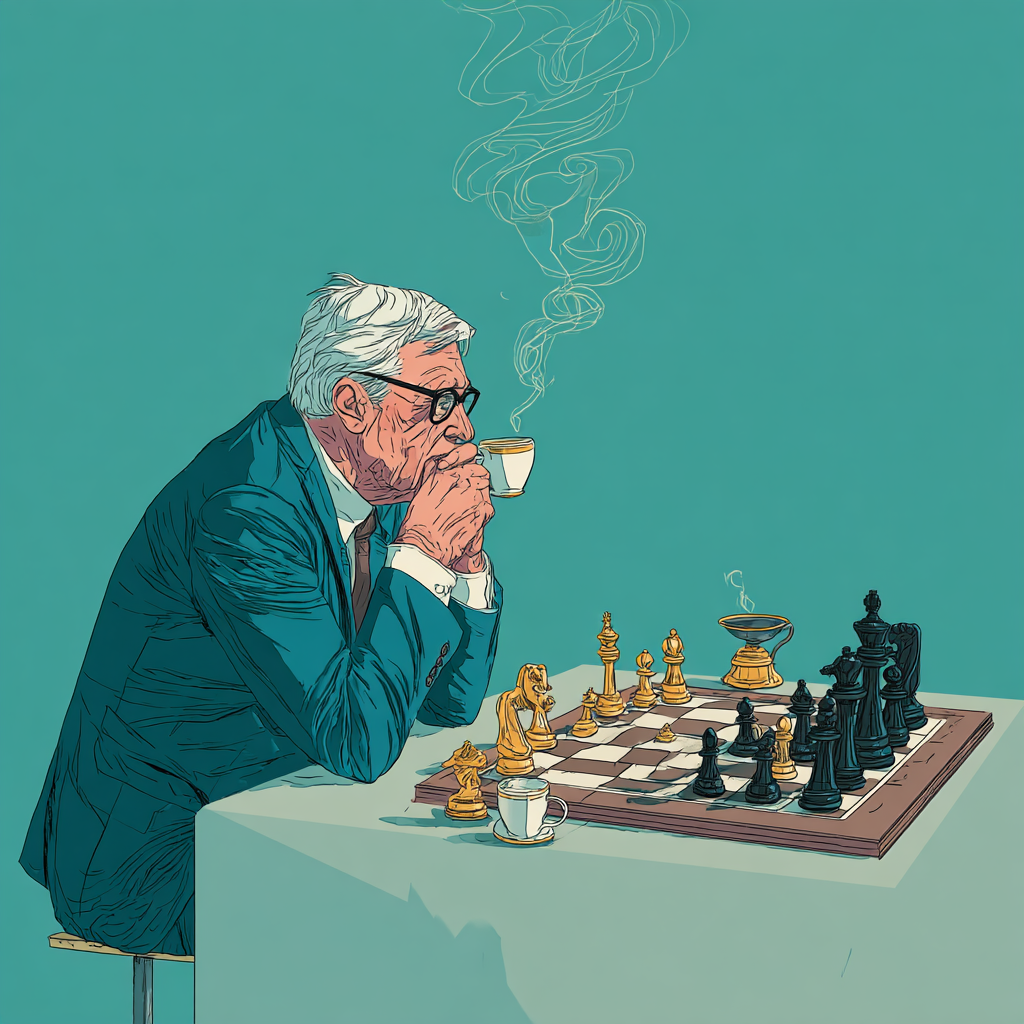
Walk into any major chess tournament, and you’ll immediately notice something that sets chess apart from most other competitive activities: the prevalence of formal attire. While athletes in other sports don specialized uniforms or casual athletic wear, chess players often appear dressed for business meetings or formal events. This sartorial tradition reflects deeper cultural values, psychological principles, and historical developments that have shaped chess into the unique intellectual sport it is today.
The sight of grandmasters in three-piece suits contemplating their next move has become iconic, representing chess’s identity as a gentleman’s game that values intellect, respect, and dignified competition. However, the reasons behind chess’s formal dress code extend far beyond mere tradition, encompassing psychological performance factors, professional image considerations, and cultural expectations that continue to influence the chess world.
Historical Origins and Cultural Foundations
The tradition of formal dress in chess stems from the game’s historical association with aristocracy, intellectual elites, and formal social settings. Understanding these origins reveals why formal attire became so deeply embedded in chess culture.
Aristocratic Heritage and Social Status Chess historically served as entertainment for nobility and educated classes who naturally wore formal attire as part of their daily dress. Medieval courts, Renaissance salons, and 19th-century gentleman’s clubs—all traditional chess venues—required formal dress as a matter of social protocol rather than chess-specific custom.
The game’s association with intellectual sophistication and refined society created expectations that players would dress appropriately for such elevated company. Chess clubs in major cities like London, Paris, and New York established dress codes that reflected their members’ social status and the clubs’ prestigious reputations.
This aristocratic heritage created lasting associations between chess excellence and refined presentation. The image of the well-dressed chess master became a cultural archetype that persists today, influencing how serious players present themselves and how the public perceives chess competitiveness.
Professional Development and Legitimacy As chess evolved from parlor game to organized sport, formal attire helped establish legitimacy and professional credibility. Early chess organizations sought recognition as serious competitive enterprises rather than casual entertainments, and dress codes supported this professional image.
The formation of international chess federations and world championship cycles in the late 19th and early 20th centuries coincided with efforts to present chess as a sophisticated intellectual pursuit worthy of public respect and media attention. Formal dress contributed to this image-building by creating visual associations with other respected professional activities.
Chess’s integration into academic institutions and corporate sponsorships benefited from the professional appearance that formal attire provided. Sponsors and venues found well-dressed chess events more appealing for association with their brands and facilities.
Psychological Factors and Performance Enhancement
Beyond historical tradition, chess players often choose formal attire for psychological reasons that can directly impact performance and mental state during competition.
Mental State and Cognitive Performance Research in cognitive psychology suggests that clothing choices can influence mental state and cognitive performance through mechanisms known as “enclothed cognition.” Formal attire can enhance feelings of professionalism, competence, and mental sharpness that translate into improved analytical thinking.
Chess players frequently report feeling more focused and intellectually prepared when dressed formally. The ritual of putting on professional attire can serve as a psychological transition into competitive mindset, similar to how athletes benefit from wearing uniforms that reinforce their competitive identity.
The symbolic weight of formal dress can enhance confidence and self-perception in ways that support peak mental performance. Players who feel they look professional often experience corresponding increases in mental clarity and decision-making confidence.
Respect and Psychological Warfare Formal attire communicates respect for opponents, tournament organizers, and the game itself. This respectful presentation can create positive psychological dynamics that reduce tension and promote clear thinking during games.
Conversely, formal dress can serve subtle psychological purposes in competitive situations. Well-dressed players may project confidence and competence that creates psychological pressure on opponents, particularly those who appear less formally prepared.
The psychological impact works both ways: players who feel underdressed relative to their opponents may experience self-consciousness that interferes with optimal performance. Formal attire helps level this psychological playing field by ensuring all serious players project similar levels of professionalism.
Concentration and External Distractions Formal attire can reduce self-consciousness about appearance, allowing players to focus entirely on chess rather than worrying about how they look. When everyone dresses similarly and appropriately, appearance becomes a non-factor that doesn’t distract from mental performance.
The comfort and confidence that appropriate formal dress provides can enhance concentration stamina during long tournament games. Players who feel appropriately dressed can maintain focus without periodic concerns about their appearance or social appropriateness.
Tournament Expectations and Professional Standards
Modern chess tournaments often have explicit or implicit dress code expectations that reflect the game’s professional evolution and commercial considerations.
Sponsor and Media Requirements Chess sponsors, particularly corporate partners, often prefer that events project professional images that align with their brand values. Well-dressed players create more appealing visuals for media coverage and promotional materials that sponsors can use for marketing purposes.
Television broadcasts and streaming coverage benefit from professional-appearing participants who enhance the production value and credibility of chess content. Formal attire helps distinguish chess from casual gaming while supporting the narrative of chess as serious intellectual competition.
Prize funds and sponsorship opportunities in chess often depend on the sport’s ability to attract mainstream media attention and corporate partners. Professional appearance standards, including dress codes, contribute to this commercial viability by creating marketable images and events.
International Competition Standards World championship matches and other prestigious international events typically establish dress code requirements that reflect the importance and formality of the occasion. These standards filter down to national and regional tournaments that aspire to similar levels of prestige.
FIDE (World Chess Federation) guidelines for major tournaments often include appearance standards that emphasize professional presentation. While not always strictly enforced, these guidelines influence player expectations and tournament culture worldwide.
Cultural exchange through international chess competition spreads professional dress expectations globally, creating relatively consistent standards across different countries and chess cultures.
| Tournament Level | Dress Code Formality | Enforcement Level | Typical Attire | Rationale | Player Compliance |
|---|---|---|---|---|---|
| World Championship | Very High | Strict | Business formal, suits | Media, sponsors, prestige | Near 100% |
| Grand Prix Events | High | Moderate-Strict | Business attire | Professional image | 90-95% |
| National Championships | Moderate-High | Moderate | Smart casual to business | Respect for event | 80-90% |
| Regional Tournaments | Moderate | Light | Smart casual | Tournament standards | 70-80% |
| Club Championships | Low-Moderate | Minimal | Casual to smart casual | Club culture | 60-70% |
| Online Tournaments | Variable | None | Any (camera dependent) | Personal preference | Highly variable |
| Scholastic Events | Low | Educational | Clean, appropriate | Educational setting | 50-60% formal |
| Casual/Blitz Events | Very Low | None | Any comfortable | Relaxed atmosphere | 20-30% formal |
Cultural Variations and Global Perspectives
Chess dress customs vary significantly across different cultures and regions, reflecting local values, economic conditions, and chess traditions.
Western European and American Traditions Traditional chess strongholds in Western Europe and North America tend to maintain the most formal dress expectations, reflecting these regions’ historical association with formal chess culture and well-established tournament traditions.
British chess culture, influenced by centuries of gentleman’s club traditions, tends toward conservative formal dress that emphasizes respect for tradition and proper social conduct. American chess culture varies more widely but generally follows business casual to business formal standards in serious competition.
These regions’ economic prosperity and established chess institutions make formal attire more accessible and expected, creating environments where professional dress becomes the cultural norm rather than an aspiration.
Eastern European Chess Powerhouses Countries like Russia, Ukraine, and other former Soviet nations have strong chess traditions but sometimes emphasize performance over appearance. The chess school systems in these countries often focus more on chess strength than presentation standards.
However, top players from these regions typically adopt formal dress when competing internationally, recognizing the professional expectations of global chess competition. This adaptation demonstrates the international nature of chess dress culture.
Emerging Chess Nations Countries with developing chess scenes, particularly in Asia, Africa, and South America, show varying approaches to chess attire that often reflect economic conditions and local cultural values.
Some emerging chess nations embrace formal dress as a symbol of their chess programs’ growing professionalism and international aspirations. Others prioritize chess development over appearance standards, focusing resources on training and competition rather than dress codes.
Cultural Sensitivity and Adaptation International chess must navigate cultural differences regarding appropriate dress, religious requirements, and economic accessibility. Tournament organizers increasingly recognize the need for flexible dress policies that respect cultural diversity while maintaining professional standards.
Some cultures have different definitions of formal or appropriate dress that may not align with Western business attire conventions. Modern chess is evolving to accommodate these differences while preserving the professional image that benefits the sport globally.
Economic and Accessibility Considerations
The expectation of formal attire in chess raises important questions about accessibility and economic barriers that may affect participation in competitive chess.
Financial Barriers to Participation Quality formal attire represents a significant expense that may deter economically disadvantaged players from participating in tournaments. The cost of appropriate clothing can exceed tournament entry fees, creating barriers unrelated to chess ability.
Young players from modest backgrounds may face particular challenges in meeting dress expectations, especially as they grow and require frequent clothing updates. These economic barriers can limit diversity in competitive chess and exclude talented players based on financial rather than chess-related factors.
Chess organizations increasingly recognize these accessibility issues and work to address them through clothing assistance programs, relaxed dress codes for youth events, and education about affordable formal wear options.
Geographical and Cultural Economics Formal Western business attire may be expensive or difficult to obtain in some regions, creating geographic barriers to international chess participation. Players from areas where such clothing isn’t readily available may face additional costs and logistical challenges.
Climate considerations also affect the practicality of formal dress expectations. Heavy suits may be uncomfortable or impractical in tropical climates, while formal dress appropriate for hot weather may not meet temperate climate expectations.
Organizational Responses and Solutions Many chess organizations now offer more flexible dress code interpretations that maintain professional standards while improving accessibility. These adaptations include accepting cultural alternatives to Western business dress and providing assistance for players who need clothing support.
Sponsorship programs sometimes include clothing allowances or partnerships with formal wear suppliers to reduce economic barriers. These initiatives recognize that chess strength, not economic status, should determine tournament participation.
Modern Trends and Evolving Standards
Contemporary chess culture shows signs of evolving dress expectations that balance traditional values with modern practicality and inclusivity.
Casual Fridays and Relaxed Standards Some tournaments experiment with more relaxed dress codes that maintain professionalism while improving comfort and accessibility. These “smart casual” approaches often prove popular with players while preserving the visual professionalism that benefits chess.
The rise of online chess and streaming culture influences offline tournament expectations, with some events adopting more casual standards that reflect the informal nature of online chess communities.
Generational differences in dress preferences create tension between traditional formal expectations and younger players’ preferences for more casual, comfortable attire that doesn’t interfere with long tournament sessions.
Technology and Comfort Integration Modern formal wear increasingly incorporates performance fabrics and comfort features that address the practical challenges of long tournament sessions. These innovations help maintain formal appearance while improving physical comfort during extended competition.
Temperature regulation, moisture-wicking, and stretch fabrics allow formal attire that looks traditional while providing the comfort and functionality that serious competitive chess demands.
Streaming and Media Influence The growth of chess streaming and online content creation influences dress expectations by creating new contexts where professional appearance matters for different reasons than traditional tournament play.
Popular chess streamers and content creators often adopt signature looks that balance professionalism with personal brand building, influencing how younger players think about chess presentation and professional image.
| Dress Evolution Factor | Traditional Influence | Modern Pressure | Current Trend | Future Prediction | Impact on Participation |
|---|---|---|---|---|---|
| Tournament Formality | High formal standards | Comfort and accessibility | Smart casual acceptance | Continued relaxation | Positive (increased access) |
| Media Appearance | Conservative professional | Personal branding | Signature styles | Individual expression | Mixed (style over substance) |
| Generational Preferences | Respect for tradition | Casual comfort | Gradual transition | Youth-driven change | Positive (youth engagement) |
| Economic Accessibility | Exclusivity through cost | Inclusive participation | Assistance programs | Barrier reduction | Very positive |
| Cultural Sensitivity | Western business norms | Global cultural respect | Flexible interpretation | Cultural adaptation | Positive (global inclusion) |
| Climate Adaptation | Universal formal wear | Regional appropriateness | Climate-conscious choices | Practical evolution | Positive (comfort improvement) |
| Technology Integration | Traditional materials | Performance fabrics | Smart formal wear | High-tech integration | Positive (functionality) |
| Online vs. Offline | Consistent standards | Platform-specific norms | Hybrid expectations | Divergent evolution | Variable impact |
Individual Player Perspectives and Choices
Chess players approach formal dress decisions based on personal factors including cultural background, economic situation, career goals, and individual psychology.
Professional Aspirations and Image Building Players seeking professional chess careers often embrace formal dress as part of building their professional brand and marketability. Sponsors and chess organizations may be more likely to support players who project professional images.
Chess coaches and tournament organizers frequently dress formally to establish credibility and demonstrate respect for their roles in chess development and competition.
Personal Comfort and Performance Optimization Some players find formal attire enhances their mental performance and competitive confidence, while others feel restricted or uncomfortable in formal wear that may interfere with their chess performance.
Individual body types, personal style preferences, and comfort requirements influence how players approach tournament dress decisions. The key is finding appropriate attire that supports rather than hinders optimal chess performance.
Cultural Identity and Expression Players from diverse cultural backgrounds may choose to incorporate traditional dress elements that meet tournament professional standards while expressing their cultural identity and heritage.
The balance between fitting tournament expectations and maintaining personal authenticity creates individual decisions about how to present oneself in competitive chess settings.
The Future of Chess Attire
Chess dress culture continues evolving as the game adapts to changing social norms, technological developments, and global expansion.
Inclusivity and Accessibility Trends The chess community increasingly recognizes that dress codes should enhance rather than hinder participation. Future developments likely will emphasize flexible professional standards that accommodate diverse backgrounds and economic situations.
Educational initiatives about affordable formal wear options and assistance programs may help maintain professional standards while removing economic barriers to participation.
Technology and Functionality Integration Advances in clothing technology may enable formal wear that looks traditional while providing enhanced comfort, temperature regulation, and performance features specifically designed for competitive chess demands.
Smart fabrics and wearable technology might eventually integrate with chess performance monitoring, creating formal attire that serves both appearance and functional purposes.
Global Cultural Integration As chess expands globally, dress expectations likely will become more culturally inclusive while maintaining the professional image that benefits the sport. This evolution may produce more diverse definitions of appropriate formal chess attire.
Regional tournaments may develop culturally specific dress traditions that reflect local values while maintaining compatibility with international chess professional standards.
Conclusion: Dressing for Success in Chess
The tradition of formal dress in chess reflects a complex interplay of historical heritage, psychological factors, professional requirements, and cultural values that continue shaping how chess players present themselves in competitive settings. While the specific requirements may evolve, the underlying principles of respect, professionalism, and appropriate presentation remain central to chess culture.
Understanding why chess players wear suits reveals deeper insights into chess as both intellectual pursuit and professional sport. The attention to appearance reflects the serious, respectful approach that characterizes competitive chess while supporting the psychological and practical needs of players seeking optimal performance.
As chess continues globalizing and evolving, dress expectations likely will adapt to balance traditional values with modern inclusivity, accessibility, and functionality. The goal remains creating environments where chess excellence can flourish while maintaining the dignified, professional image that serves chess well in media, sponsorship, and public perception.
The suit may be optional in casual chess, but the principles it represents—respect, professionalism, and serious commitment to excellence—remain essential elements of chess culture that transcend any specific dress code. Whether in formal attire or culturally appropriate alternatives, chess players dress not just for appearance but for the psychological and social benefits that appropriate presentation provides in the pursuit of chess mastery.
In chess, as in many professional endeavors, how you dress often reflects how seriously you take both yourself and your competition. The enduring tradition of formal attire in chess testifies to players’ respect for the game, their opponents, and the intellectual challenge that makes chess the royal game it has remained for centuries.